|
|

|
|
|
|
|
|
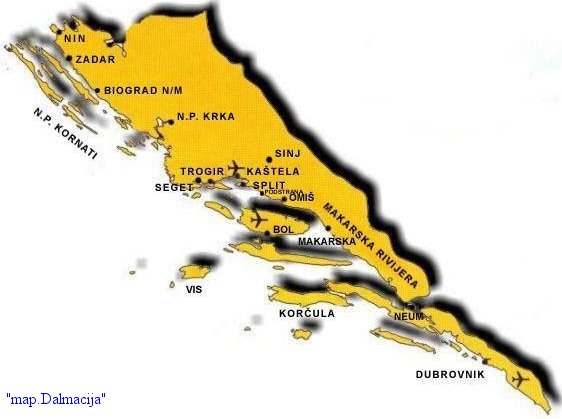
Dalmatia
 |
Dalmatia consist of
the biggest part of the Adriatic coast, its hinterland
and islands, Dalmatia's area is 12.157 square km. The
coast is rocky and very indented with many coves and
bays.
Zadar's, Split's, Brac's canal... separate mainland from
the islands.
Here are stretching Sibenik's, Kastela's, Ston's bay
with all their beauties, it is mountain surrounding with
many gardens, coves, rocky fields and caves.
Mountains Svilaja, Promina, Kozjak, Mosor and Biokovo in
their plains hide Knin's, Sinj's and Imotski's rocky
fields...
Rivers Zrmanja, Krka and Cetina give life streanght to
Dalmatia.
Pearls which are a part of rocky surrounding are famous
lakes: Vransko, Prukljansko, Karinsko, Novigradsko and
Imotsko. Here are hiding rivers sinking into
subterranean passages...
The climate is Mediterranean with warm and dry summer
and mild and wet winter. The climate is good for growing
olives, vines, tropical fruit, figs.
Low underbush dominate in vegetation. Mineral riches
make coal, cement marl, slates, gypsum, sea salt.
|
Industry
is based on shipbuilding,production of ship's machines
and nstruments, precise mechanics, aluminium, electrodes,
cement, plastics, textile fabrics, maintenance products.
The stone and products mad of stone from which are made
famous buildings in the world make Dalmatia recognizable.
Cities Zadar, Sibenik, Split, Ploce and Dubrovnik with
harbours and airports, roads and railways are main
connection with the world. Split is the capital od
Dalmatia.
The sea, climate, natural beauties, cultural, historical
and architectural monuments made conditions for
developoment of the tourism. |
|
MAP |
|
| |
|
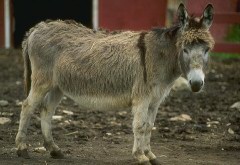
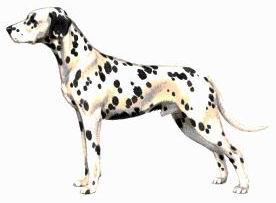
Symbols
of stubbornness and intelligence! |
|
|
|
| |
| E-
mail: |
|
|
|
|
|